Styling Tips
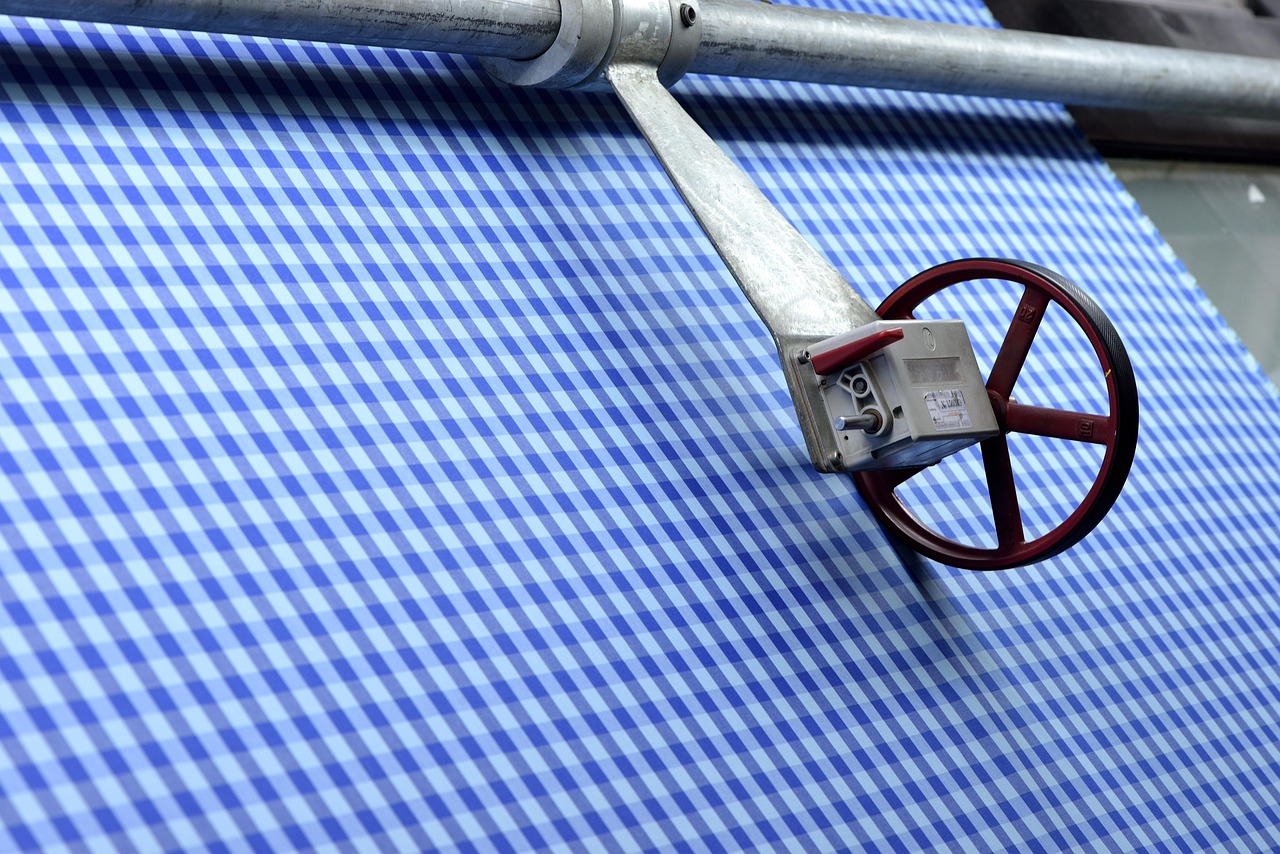
Walk through any high-end department store right now and you'll see it: raw-edge seams, exposed zippers, heavy canvas, and hardware that looks like it was borrowed from a hardware store. The language of the factory floor has become the vocabulary of luxury fashion. This isn't a new phenomenon — designers have been borrowing from workwear for decades — but the current iteration feels different. It's not about costume or nostalgia. It's about a genuine appreciation for the honesty of industrial materials and the skill that goes into making them.
The appeal makes sense. In a world of fast fashion and disposable trends, industrial materials signal durability. They suggest that a garment was made to last, not to be replaced next season. Raw denim, waxed cotton, full-grain leather — these are materials that improve with age. They tell a story. And in an era where so much of what we buy feels anonymous, that story is worth paying for.
The shift didn't happen overnight. Workwear brands like Carhartt and Dickies spent decades building reputations for toughness, not style. But when those garments started showing up on runways and in street style photos, something changed. The oversized chore coat, the double-knee pant, the carpenter's jacket — these pieces were suddenly desirable not despite their utilitarian roots but because of them.
Luxury brands took note. They started using heavier fabrics, adding visible rivets and reinforced stitching, and cutting their garments with the same generous proportions you'd find in a work shirt. The price tags went up, but so did the quality. A well-made chore coat in a heavy cotton twill from a luxury brand is genuinely different from a mass-market version — the fabric is denser, the seams are cleaner, the fit is more considered. You're not just paying for the aesthetic. You're paying for the craft.
What's interesting is that this trend has also changed how people think about luxury itself. For a long time, luxury meant fragility — delicate silks, fine cashmere, shoes you couldn't wear in the rain. Industrial luxury flips that. It says that true luxury is something you can use hard and still pass down. It's a jacket you can wear to work on a car and then out to dinner. It's a bag that gets better looking every time you throw it on the floor. That's a different value proposition, and it resonates with people who are tired of being precious with their possessions.
The next wave of industrial luxury is likely to focus on transparency — not just in materials but in process. Brands are starting to show their factories, name their suppliers, and talk about the people who make their clothes. The industrial aesthetic is becoming less about the look of the finished garment and more about the story of how it was made.
At the same time, we're seeing more experimentation with hybrid materials. Waxed silk, rubberized wool, canvas bonded with leather. These are fabrics that combine the best of both worlds — the toughness of industry and the refinement of luxury. They're not easy to make, which is exactly why they're interesting.
For anyone building a wardrobe, the takeaway is simple. Don't be afraid to mix rough and refined. The pieces that last are the ones that can handle both. And the most stylish people are not the ones who follow a single aesthetic to the letter. They're the ones who understand that contrast is what makes a look memorable. The factory floor and the atelier have more in common than you think. Both are places where things are made with care, by hand, to last. That's a story worth wearing.
